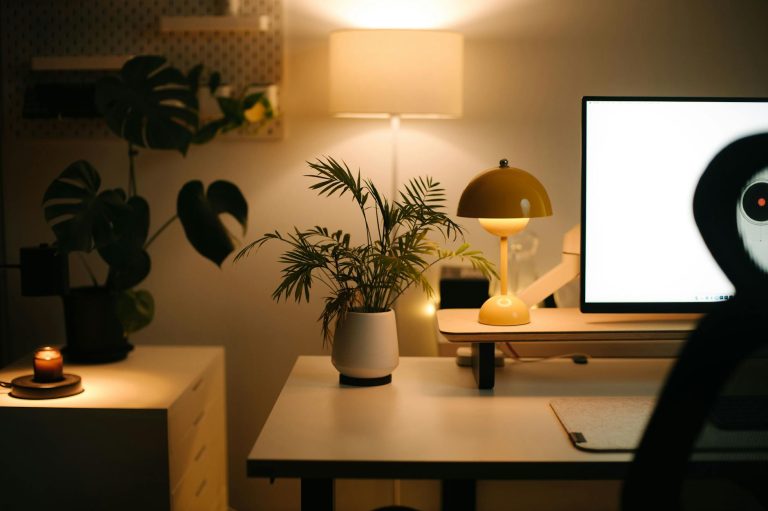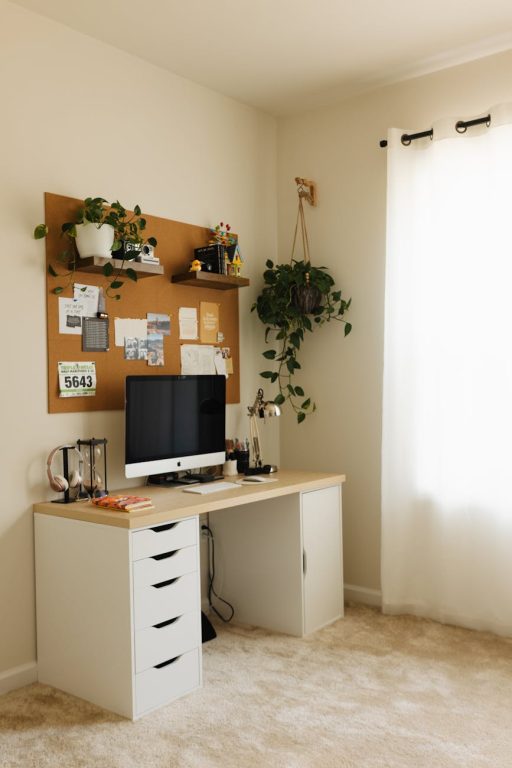
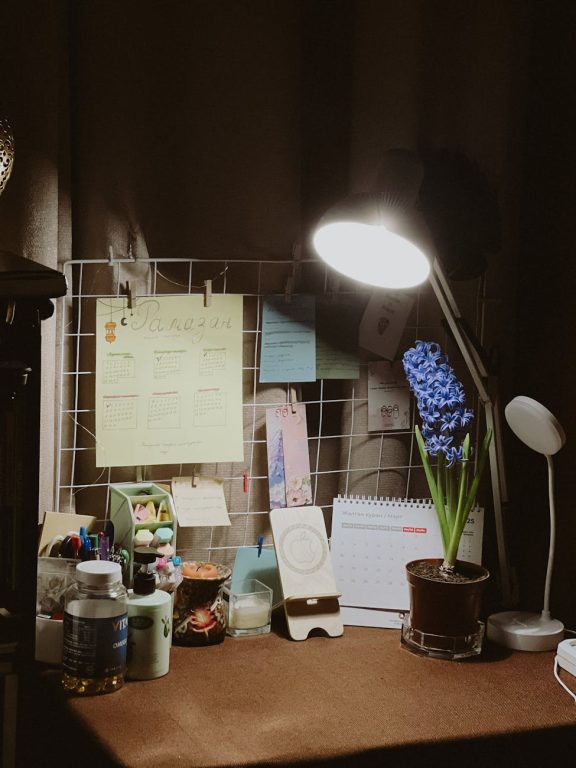
Creating a home office space that is both cozy and productive can greatly enhance your work-from-home experience. With many people spending more time working remotely, designing an environment that supports focus and comfort is essential. Here are some helpful tips to craft a home office that feels inviting while boosting your productivity.
1. Choose the Right Location
Selecting the best spot for your home office is the foundation of creating a productive space. Ideally, pick a quiet area away from heavy foot traffic and distractions.
– Natural Light: Position your desk near a window to benefit from natural light, which can elevate mood and reduce eye strain.
– Separate Zone: If possible, dedicate a specific room to your office to create a mental boundary between work and personal life.
2. Invest in Comfortable, Functional Furniture
Comfort is key when spending long hours working.
– Ergonomic Chair: Choose a chair that supports your back and encourages good posture.
– Desk Options: Select a desk that fits your space and allows enough room for your computer, paperwork, and other essentials.
– Adjustability: Consider adjustable furniture, like sit-stand desks, for health benefits and variety throughout the day.
3. Optimize Lighting for Productivity
Proper lighting improves focus and reduces fatigue.
– Task Lighting: Use a desk lamp with adjustable brightness for detailed work.
– Avoid Glare: Position screens and lamps to minimize glare and reflections.
– Warm vs. Cool Light: Cooler light tones help keep you alert, while warmer tones are more relaxing. Choose lighting based on the time of day and your work type.
4. Organize and Declutter
A tidy workspace fosters clear thinking.
– Storage Solutions: Use shelves, drawers, or filing cabinets to keep documents and supplies organized.
– Cable Management: Keep cables neat with clips or sleeves to prevent tangling.
– Minimal Decor: Limit decorations to a few personal items to maintain focus.
5. Personalize Your Space
Adding touches that reflect your personality can make your office feel more inviting.
– Plants: Indoor plants purify the air and add a calming visual element.
– Artwork: Display art or photos that inspire and motivate you.
– Color Scheme: Choose colors that promote productivity—for example, blues and greens are known to have calming effects.
6. Incorporate Technology Wisely
Having the right tools helps you work efficiently.
– Reliable Equipment: Invest in a quality computer, printer, and reliable internet connection.
– Accessories: Use headphones to block distractions or a second monitor for multitasking.
– Cable Accessibility: Ensure chargers and outlets are within easy reach.
7. Create a Routine and Boundaries
Even the most beautiful office won’t help if work and relaxation blur.
– Set Work Hours: Define when your workday begins and ends.
– Break Area: If possible, create a separate spot to relax away from your desk.
– Minimize Interruptions: Communicate your work schedule with family or roommates.
8. Add Comfort Elements
Small comforts make a difference during long work sessions.
– Cozy Textiles: Use cushions or a soft rug for warmth.
– Temperature Control: Ensure your workspace is neither too hot nor too cold.
– Hydration and Snacks: Keep water and healthy snacks nearby to stay energized.
Conclusion
Designing a cozy and productive home office involves thoughtful choices about location, furniture, lighting, and organization. By personalizing your space while maintaining functionality, you can create an environment that supports your work goals and well-being. With these tips in mind, your home office can become a place where focus and comfort go hand in hand.
About the Author