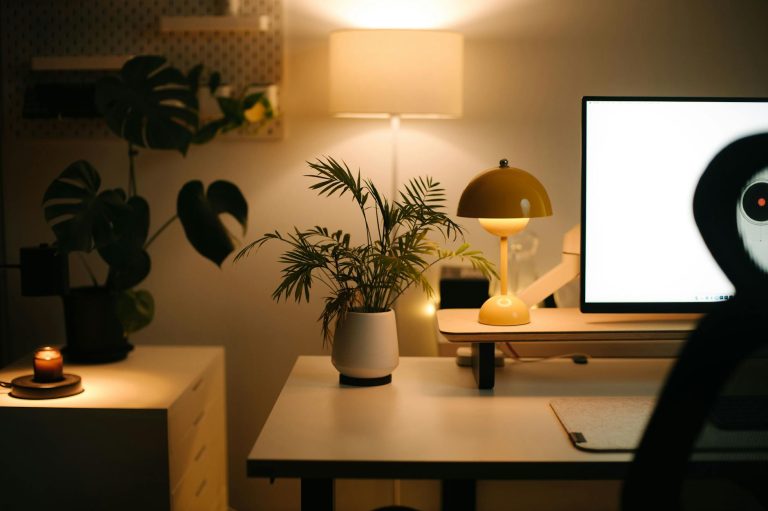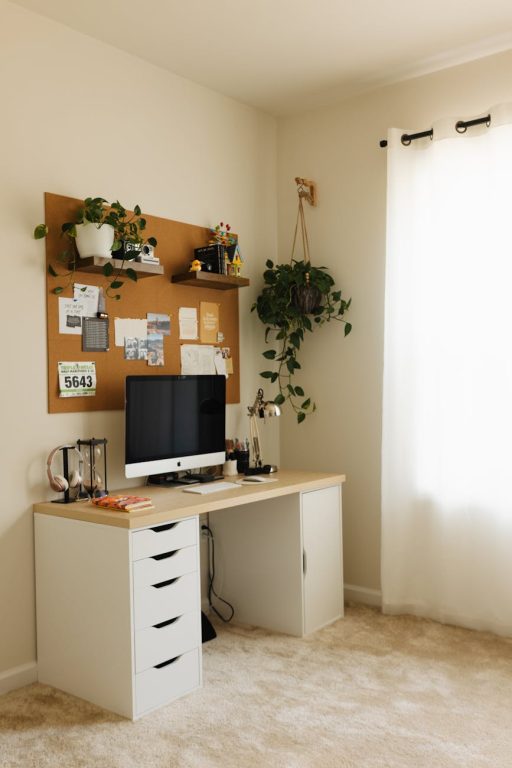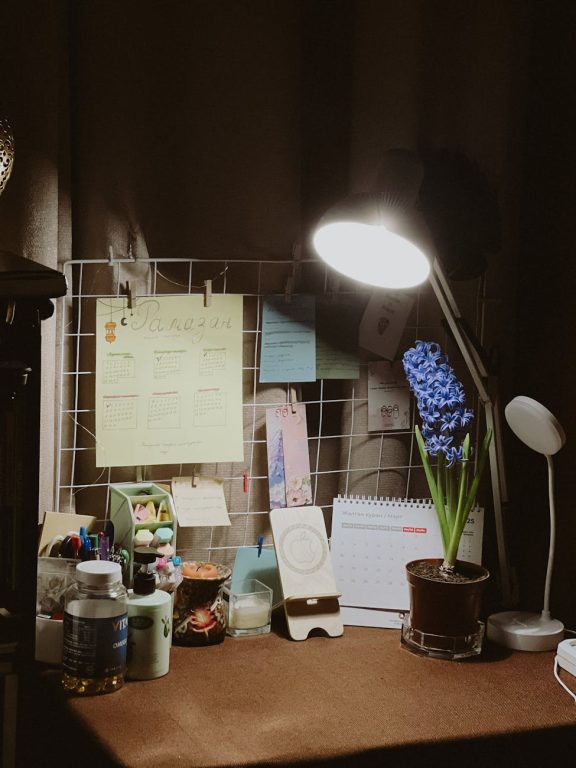
Creating a cozy and productive home workspace is essential for anyone who spends a significant amount of time working remotely. A well-designed space can enhance focus, reduce stress, and improve overall work performance. Here are some practical tips to help you build a home office that feels inviting while supporting your daily tasks effectively.
Choose the Right Location
Selecting the right spot for your workspace is the first step in creating a productive home office. Ideally, choose a quiet area with minimal distractions. If you have a spare room, that’s a great option. Otherwise, a corner of a less-trafficked room can work well.
Consider Natural Light
Natural light can boost your mood and energy levels. Position your desk near a window if possible, to take advantage of daylight. If natural light is limited, use bright, adjustable lighting to keep your workspace well-lit.
Invest in Comfortable Furniture
Comfort plays a vital role in productivity. Investing in an ergonomic chair and a sturdy desk supports good posture and reduces physical strain during long work hours.
Tips for Choosing Furniture:
– Select a chair with adjustable height and lumbar support.
– Ensure your desk has enough surface area for your computer, documents, and other tools.
– Use a footrest if your feet don’t comfortably touch the floor.
Organize Your Space Efficiently
Clutter can distract and lower productivity, so keep your workspace tidy and well-organized.
Organization Ideas:
– Use shelves or wall-mounted storage to maximize vertical space.
– Keep frequently used items within easy reach.
– Use cable organizers to manage cords and reduce mess.
– Have a dedicated spot for office supplies like pens, notebooks, and chargers.
Personalize Your Workspace
Adding personal touches can make your home office feel cozy and inviting, which helps reduce stress.
Ways to Personalize:
– Add plants to improve air quality and create a calming environment.
– Hang artwork or motivational quotes.
– Use a cozy rug or cushions for warmth and texture.
– Include a small speaker for background music, if it helps you focus.
Establish a Routine
Creating a routine is just as important as the physical space. Setting regular work hours helps your mind associate your workspace with work time, improving focus and productivity.
Tips:
– Start your day with a routine, such as having a cup of coffee or a quick stretch.
– Take short breaks every hour to rest your eyes and move around.
– Set clear boundaries between work and personal time.
Minimize Distractions
Distractions can interrupt your flow and reduce efficiency. Identify what commonly pulls your attention away and find ways to limit these interruptions.
Suggestions:
– Turn off non-essential notifications on your devices.
– Use headphones or white noise machines if you’re in a noisy environment.
– Communicate your work schedule to family members or roommates.
Use Technology to Your Advantage
Take advantage of digital tools to streamline your work and stay organized.
Helpful Tools:
– Use calendar apps to schedule meetings and deadlines.
– Employ task management software to track your projects.
– Invest in a reliable internet connection and backup power supply.
Keep It Clean and Fresh
A clean workspace supports clear thinking and reduces stress.
Cleaning Tips:
– Wipe down your desk daily.
– Regularly dust shelves and electronics.
– Open windows occasionally to let in fresh air.
Experiment and Adjust
What works for one person might not work for another. Don’t hesitate to experiment with your setup and make adjustments as needed.
Try:
– Changing chair or desk positions.
– Rotating plants or decorations based on seasons.
– Adjusting lighting or temperature.
—
A cozy and productive home workspace can make your workdays more enjoyable and efficient. By focusing on location, comfort, organization, personalization, and routine, you can create an environment that supports your best work every day.
About the Author