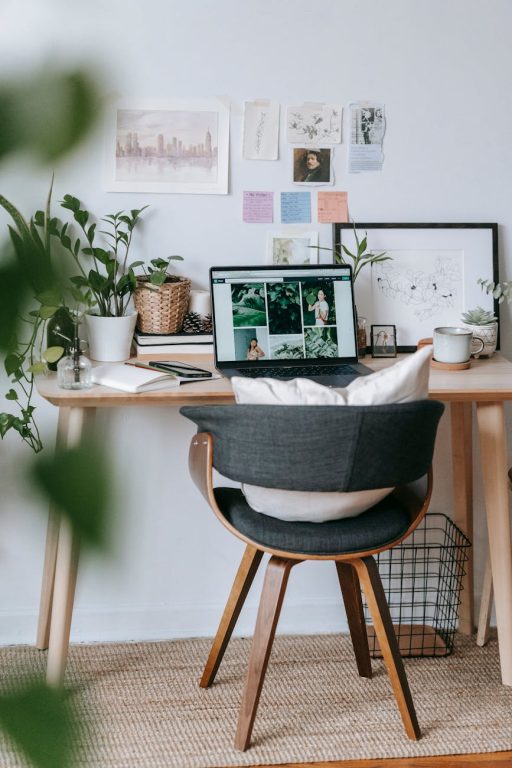
Creating a comfortable and productive home office space is essential for anyone working from home, whether full-time or occasionally. A well-organized and pleasant workspace can improve focus, reduce stress, and increase your overall efficiency. In this post, we’ll explore practical tips to help you design a home office that promotes comfort and productivity.
Choose the Right Location
Selecting the right spot for your home office is the first step in creating an effective workspace. Ideally, pick a quiet area away from distractions like the TV or heavy foot traffic. If possible, choose a space with natural light as it can improve mood and energy levels.
Consider These Factors:
– Privacy and minimal interruptions
– Good ventilation and lighting
– Adequate space for furniture and storage
– Proximity to power outlets and internet access
If you don’t have a dedicated room, consider using room dividers, screens, or curtains to create a separate zone.
Invest in Ergonomic Furniture
Comfort is key when setting up a home office since you may spend several hours in the same spot. Ergonomic furniture supports good posture, reduces strain, and prevents discomfort.
Essentials Include:
– Ergonomic Chair: Choose one with adjustable height, lumbar support, and comfortable cushioning.
– Desk: The desk height should allow your arms to rest comfortably at a 90-degree angle. Standing desks or adjustable desks offer flexibility.
– Keyboard and Mouse: Ergonomic keyboards and mice can reduce wrist strain.
Adding a footrest or wrist supports can further enhance comfort.
Optimize Lighting
Proper lighting helps reduce eye strain and maintain alertness throughout the day. Natural light is the best option, so position your desk near a window if possible.
Lighting Tips:
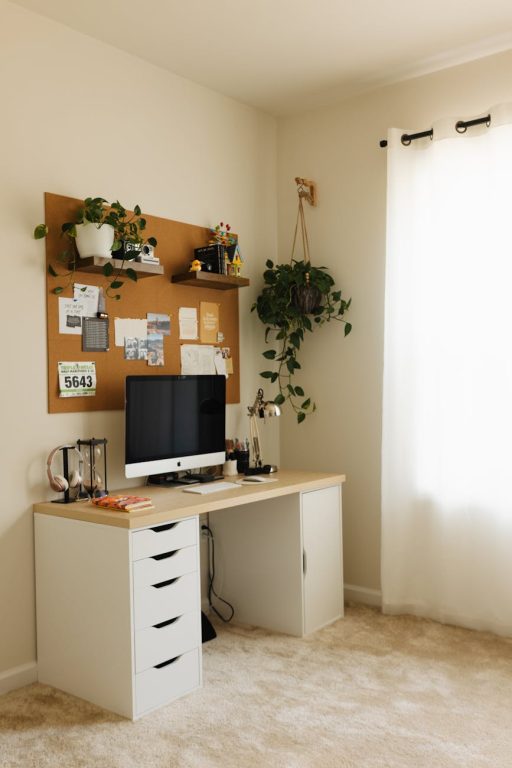
– Use sheer curtains to diffuse bright sunlight without blocking it.
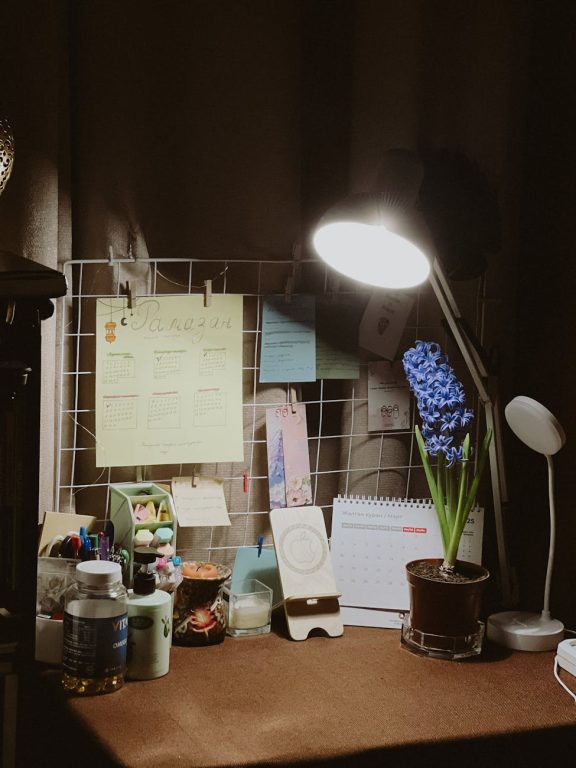
– Add task lighting like adjustable desk lamps for focused work.
– Avoid harsh overhead lighting that causes glare on screens.
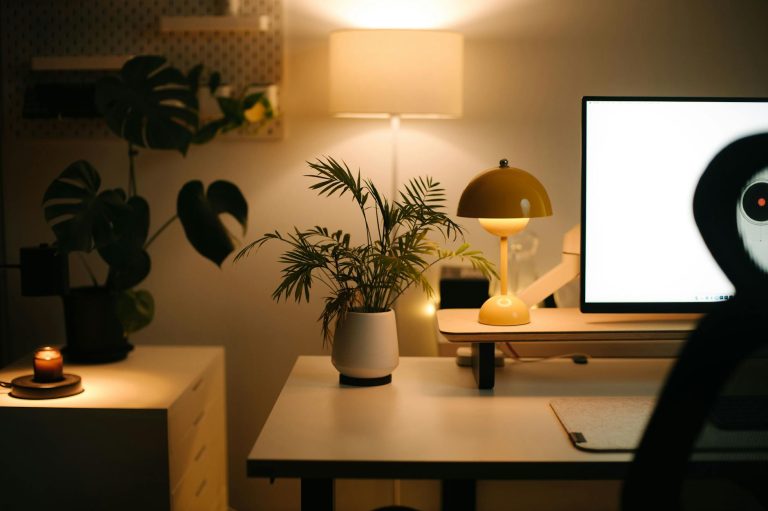
– Consider soft, warm bulbs to create a relaxing atmosphere during late hours.
Organize Your Space Efficiently
An organized desk and office area create a calming environment that minimizes distractions and saves time looking for supplies.
Organization Strategies:
– Use drawer organizers and desktop trays to keep essentials within reach.
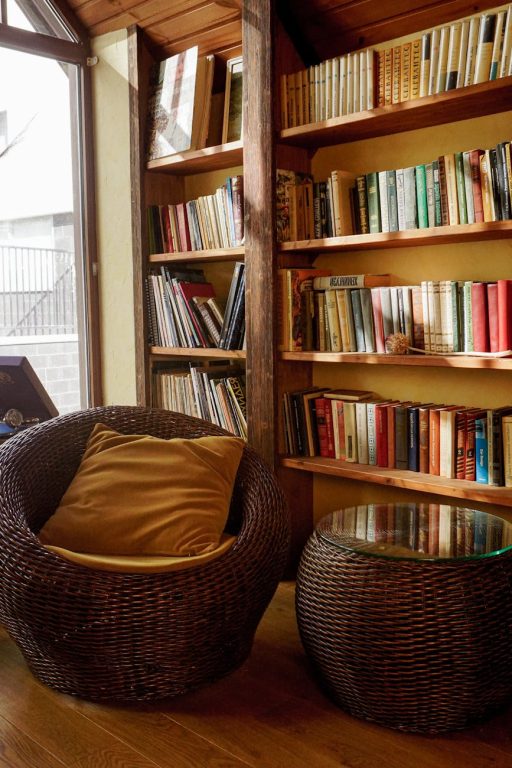
– Implement shelves or storage cabinets to store documents and equipment.
– Keep cables tidy with clips or cable management boxes.
– Regularly declutter to maintain a clean workspace.
Labeling files and storage containers makes retrieval quick and easy.
Add Personal Touches
Your home office should feel inviting and inspiring to spend time in. Personal touches can make the space more enjoyable and motivating.
Ideas to Personalize:
– Display artwork, photos, or motivational quotes.
– Incorporate plants to improve air quality and add color.
– Use a decorative rug or cushions for added comfort.
– Choose colors and accessories that suit your style and uplift your mood.
However, avoid overcrowding the space to maintain focus.
Manage Noise and Distractions
A quiet environment helps concentration and productivity. If noise is a problem, consider these solutions:
– Use noise-cancelling headphones or earplugs.
– Add soft materials such as rugs, curtains, or cushions to absorb sound.
– Use white noise machines or apps for a consistent, soothing background sound.
Set clear boundaries with family or roommates to minimize interruptions during work hours.
Set Up Technology Thoughtfully
A reliable and efficient technology setup is crucial for remote work.
Important Tech Considerations:
– Ensure a fast, stable internet connection.
– Use a quality monitor that suits your work needs.
– Invest in a good webcam and microphone if video calls are common.
– Keep chargers, cables, and peripherals organized.
Backup data regularly and secure your devices with updated software.
Establish a Routine and Take Breaks
Even with a perfect setup, maintaining productivity requires consistent habits.
Tips for Healthy Work Habits:
– Set regular work hours and stick to them.
– Take short breaks every hour to stretch and relax your eyes.
– Use techniques like the Pomodoro method to balance focus and rest.
– Separate work time and personal time to avoid burnout.
A dedicated home office space helps reinforce mental separation between work and home life.
Final Thoughts
Designing a home office that is both comfortable and productive doesn’t have to be complicated or expensive. By focusing on location, ergonomics, lighting, organization, and personalization, you can create a space that supports your best work. Remember, the key is to tailor your office to your needs and habits, making adjustments as you discover what works best for you.
With these tips in mind, you’re well on your way to enjoying a home office environment that energizes and inspires every day.
About the Author